 Email:
The Top Benefits of Using Brass Float Valves: Why Quality Material Matters
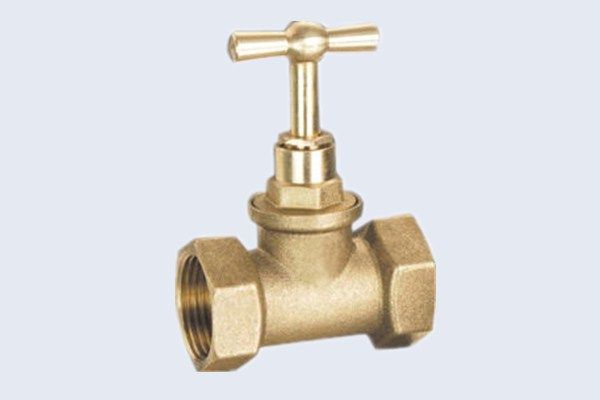
In the world of fluid management, the smallest components often carry the heaviest responsibilities. The float valve—a simple yet ingenious mechanical device—is the gatekeeper of water levels in everything from massive industrial cooling towers to residential header tanks.
When choosing a float valve, the debate usually centers on material: Plastic, Stainless Steel, or Brass?
At Gajanan Brass Global, we have seen firsthand how material choice impacts the lifecycle of a system. While plastic is cheap and stainless steel is premium, Brass remains the “Goldilocks” material—offering the perfect balance of strength, corrosion resistance, and value. Here are the top benefits of using brass float valves for your next project.
1. Exceptional Mechanical Strength and Durability
Float valves are subject to constant mechanical stress. As water levels fluctuate, the lever arm moves, and the valve seat must open and close thousands of times.
The Brass Advantage:
Brass is a rugged alloy of copper and zinc. Unlike plastic valves, which can become brittle over time due to temperature changes or UV exposure, brass maintains its structural integrity. It can withstand the “water hammer” effect (sudden pressure surges) without cracking or snapping at the pivot point.
2. Superior Corrosion Resistance (Especially with Dezincification-Resistant Brass)
One of the primary enemies of any valve is the fluid it controls. Water, especially if it is slightly acidic or highly chlorinated, can eat away at inferior metals.
Natural Protection: Brass naturally develops a protective surface layer that prevents deep-seated rust.
Dezincification Resistance (DZR): High-quality brass float valves, like those manufactured by Gajanan Brass Global, are often made from DZR brass. This prevents the zinc from leaching out of the alloy, ensuring the valve doesn’t become porous and leaky over decades of submersion.
3. Precision Sealing and Leak Prevention
A float valve is only as good as its seal. Because brass is highly machinable, manufacturers can create incredibly smooth valve seats and precise threading.
Tight Tolerances: We can machine brass to much tighter tolerances than molded plastic. This ensures that when the float reaches the shut-off level, the seal is absolute.
Compatibility: Brass threads are standard and robust. They won’t “cross-thread” as easily as plastic, ensuring a watertight connection to your piping system every time.
4. Temperature Tolerance: From Freezing to Boiling
In industrial applications, fluid temperatures can vary wildly.
Heat Resistance: Plastic valves often warp or soften when exposed to hot water (such as in boiler feed tanks). Brass maintains its shape and functionality at temperatures where plastic would fail.
Cold Resilience: In outdoor installations, brass handles thermal expansion and contraction much better than many synthetic materials, reducing the risk of a catastrophic burst during a cold snap.
5. Antimicrobial Properties for Water Safety
Copper is the primary component of brass, and copper is naturally antimicrobial. It has the inherent ability to kill bacteria, viruses, and fungi on contact.
For water storage tanks used in agriculture or potable water systems, using brass components can help inhibit the growth of biofilm and algae within the valve mechanism. This keeps the water cleaner and prevents the valve from getting “gunked up” with organic growth that could cause it to stick.
6. High Value and Recyclability
In the modern industrial landscape, sustainability and ROI (Return on Investment) are more important than ever.
Long Service Life: While a brass float valve may have a higher upfront cost than a plastic one, its lifespan is often 5 to 10 times longer. This reduces maintenance labor costs and downtime.
100% Recyclable: At the end of its life, brass is highly valuable as scrap metal. It can be melted down and repurposed without losing its chemical properties, making it an eco-friendly choice for “Green” building certifications.
7. Heavy-Duty Industrial Versatility
Brass float valves aren’t just for toilets. Their robust nature makes them suitable for high-stakes environments, including:
Cooling Towers: Where constant chemical treatment is present.
Agricultural Troughs: Where livestock might bump or jostle the equipment.
Chemical Processing: Where a reliable, non-sparking material is required.
Technical Comparison: Brass vs. The Competition
| Feature | Brass Float Valves | Plastic Float Valves | Stainless Steel |
| Durability | High | Low (Brittle) | Very High |
| Cost | Moderate | Very Low | Very High |
| UV Resistance | Excellent | Poor | Excellent |
| Machinability | Excellent | N/A (Molded) | Difficult |
| Lifespan | 15–20+ Years | 2–5 Years | 20+ Years |
Why Choose Gajanan Brass Global?
At Gajanan Brass Global, we manufacture a wide range of float valve components and assemblies designed for global distribution. When you source from us, you get:
Tested Alloys: Every batch of brass is tested for copper-zinc ratios to ensure maximum strength.
Custom Engineering: We can manufacture float valves to your specific flow rate and pressure requirements.
Global Quality Compliance: Our products meet the stringent standards required for the European, American, and Middle Eastern markets.
Contact us for any requirement of brass components.
Our team will be happy to assist you.
Mobile: +91-99242 32871