 Email:
The Pinnacle of Precision: A Deep Dive into Advanced Brass Components for Global Industry
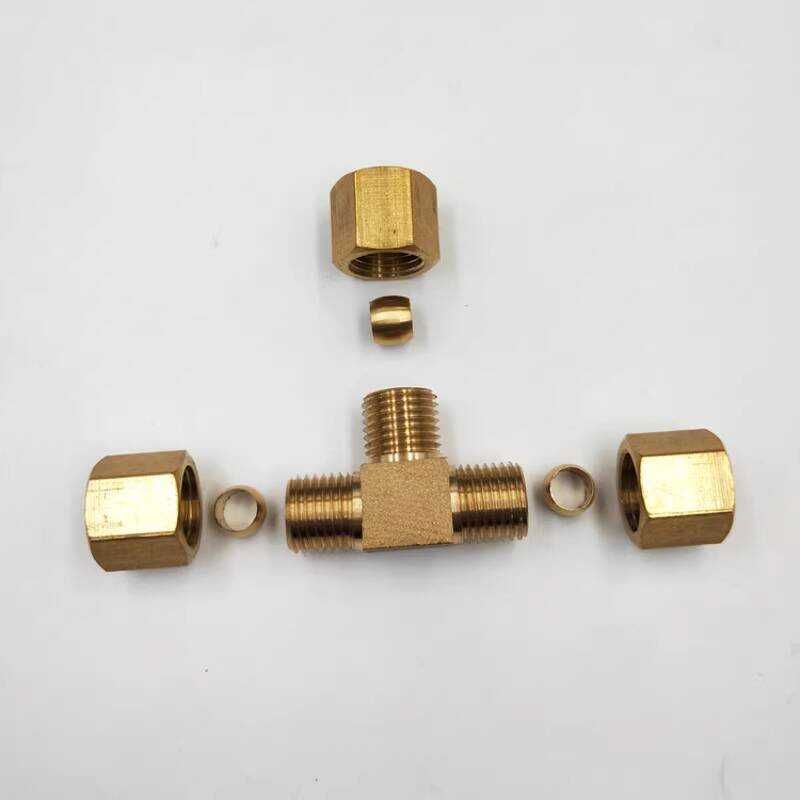
In the modern industrial landscape, where precision is not just a requirement but a mandate for survival, brass remains the unsung hero of engineering. At Gajanan Brass Global, we have witnessed the evolution of this copper-zinc alloy from simple decorative hardware to the high-tech, mission-critical components that power the automotive, electrical, and plumbing sectors. This comprehensive guide explores why advanced brass components are the backbone of global infrastructure and how cutting-edge manufacturing processes are pushing the boundaries of what this versatile material can achieve.
The Metallurgy of Excellence: Why Brass Dominates
Brass is far more than just a mixture of copper and zinc. Advanced brass components rely on a sophisticated balance of alloying elements like lead for machinability, tin for corrosion resistance, and aluminum for strength. This unique metallurgical profile allows brass to offer a combination of ductility and durability that few other materials can match. For industries requiring high-performance parts, the thermal and electrical conductivity of brass makes it the preferred choice over stainless steel or plastics, especially in environments where spark resistance and anti-microbial properties are essential for safety and hygiene.
Precision CNC Machining: The Heart of Modern Production
The transition from manual lathes to high-speed CNC (Computer Numerical Control) machining has revolutionized the production of brass components at Gajanan Brass Global. By utilizing multi-axis CNC machines, we can produce complex geometries with tolerances as tight as a few microns. This level of precision is critical for components like solenoid valves, sensor housings, and intricate connectors used in aerospace and medical devices. CNC machining ensures that every single unit in a batch of ten thousand is identical to the first, eliminating the margin for human error and significantly reducing material waste through optimized cutting paths.
The Role of Brass in the Electric Vehicle (EV) Revolution
As the world pivots toward sustainable transportation, brass components are playing a pivotal role in the architecture of Electric Vehicles. From high-voltage battery connectors to cooling system fittings, the superior electrical conductivity of brass ensures minimal energy loss and heat generation. Unlike traditional internal combustion engines, EVs require components that can handle high current loads while resisting vibration-induced fatigue. Advanced brass alloys, often plated with silver or tin, provide the necessary reliability for the charging infrastructure and the powertrain, making brass an indispensable partner in the green energy transition.
Corrosion Resistance and Longevity in Plumbing Systems
One of the most significant advantages of high-quality brass components is their natural resistance to dezincification and stress corrosion cracking. In the plumbing and fluid handling industry, brass valves, manifolds, and fittings are the gold standard because they do not rust or degrade when exposed to varying water pH levels. At Gajanan Brass Global, we focus on Lead-Free Brass solutions to meet stringent international health standards, ensuring that water remains safe for consumption while the fittings maintain their structural integrity for decades, reducing the total cost of ownership for infrastructure projects.
Electrical and Electronics: Ensuring Seamless Connectivity
In the realm of electronics, connectivity is everything. Brass serves as the foundational material for pins, sockets, terminals, and switchgear components due to its ability to be easily formed and its excellent solderability. Advanced brass components are often engineered with specific spring properties to ensure consistent contact pressure over thousands of cycles. Whether it is a tiny component in a smartphone or a heavy-duty busbar in a power distribution unit, the reliability of the electrical connection depends on the quality of the brass alloy and the precision of its manufacture.
6. Sustainable Manufacturing: The Infinite Recyclability of Brass
Sustainability is no longer a buzzword; it is a business imperative. Brass is one of the most eco-friendly materials available because it is almost 100% recyclable without losing its physical properties. The “closed-loop” recycling process for brass consumes significantly less energy than producing primary metals from ore. At Gajanan Brass Global, we integrate sustainable practices by recycling scrap and turnings back into the production cycle. This not only reduces the environmental footprint but also stabilizes costs for our global clients, providing an ethical and economic advantage in a resource-conscious market.
Customization and Rapid Prototyping
Every engineering challenge is unique, and off-the-shelf components often fall short of specific performance requirements. Advanced manufacturing allows for rapid prototyping, where digital designs are turned into physical brass samples within days. This iterative process allows engineers to test fit, form, and function before committing to mass production. By offering custom-engineered brass solutions, we help our partners optimize their assemblies, reduce weight, and improve the overall efficiency of their final products, ensuring that the component is perfectly tailored to the application.
Quality Assurance: Measuring Perfection
A component is only as good as the quality control process behind it. In advanced brass manufacturing, quality assurance involves a multi-layered approach, starting from Spectro-analysis of raw material ingots to final inspections using CMM (Coordinate Measuring Machines) and optical sorters. We adhere to international standards such as ISO 9001:2015 to ensure that every thread, bore, and surface finish meets the client’s specifications. This rigorous attention to detail prevents costly failures in the field and builds the trust necessary for long-term global partnerships.
Surface Treatments and Coatings
To enhance the performance of brass components, various surface treatments are applied depending on the end-use. Nickel plating provides extra wear resistance, while chrome plating is often used for aesthetic appeal and extreme corrosion protection in marine environments. Other specialized coatings, such as passivation or PVD (Physical Vapor Deposition), can be used to alter the surface hardness or provide specific colors. These treatments extend the life of the component and allow brass to be used in even the most hostile chemical or atmospheric conditions.
The Future of Brass: Industry 4.0 and Beyond
As we look toward the future, the integration of Industry 4.0 technologies like IoT sensors and AI-driven analytics is set to further transform brass component manufacturing. Smart factories can now predict tool wear before it happens, ensuring that precision never wavers. At Gajanan Brass Global, we are constantly investing in these technologies to stay ahead of the curve. By combining decades of traditional craftsmanship with the latest digital innovations, we ensure that our brass components continue to meet the evolving demands of the 21st-century global industry.
Contact us for any requirement of brass components.
Our team will be happy to assist you.
Mobile: +91-99242 32871